Iran has 58 sites on UNESCO tentative list, heritage official says
TEHRAN - Iran currently has 58 cultural and natural properties and heritage collections on the UNESCO Tentative List, according to the director general of registration of the Ministry of Cultural Heritage, Tourism and Handicrafts.
“A total of 58 properties are currently on Iran’s Tentative List that constitute a strategic reserve for the country’s future World Heritage planning,” Alireza Izadi said.
Izadi stressed that the Tentative List is not fixed and can be revised. If expert assessments determine that a site or heritage complex meets the requirements for possible World Heritage inscription, the necessary procedures can be initiated to have it added to the list. Once accepted, research, documentation and preparation of the nomination dossier can begin.
According to the official, Iran prioritizes nomination dossiers based on factors including their conformity with UNESCO criteria, outstanding universal value, the quality of available documentation, the feasibility of completing research, and conservation and management conditions.
Among the properties that have appeared on Iran’s Tentative is the ancient port of Siraf and its cultural landscape, he said.
Siraf is among Iran’s priorities for the coming year, Izadi said, adding that work on its nomination dossier has been pursued and the site is currently undergoing the relevant stages of review and assessment for potential World Heritage inscription.
He said that in some cases, a broad heritage theme can be narrowed during expert studies into a more coherent and clearly defined nomination. In the case of the historic and coastal heritage of the Persian Gulf, for example, focusing research on a complex such as Siraf could provide the basis for a more cohesive dossier with stronger potential for international assessment.
Izadi also said that Iran’s Asbads (windmills) are on the Tentative List and that work is under way to prepare and complete their nomination dossier.
Other heritage priorities under consideration include archaeological sites and ancient settlement mounds, Tus, and a proposed nomination focusing on Iranian mosques.
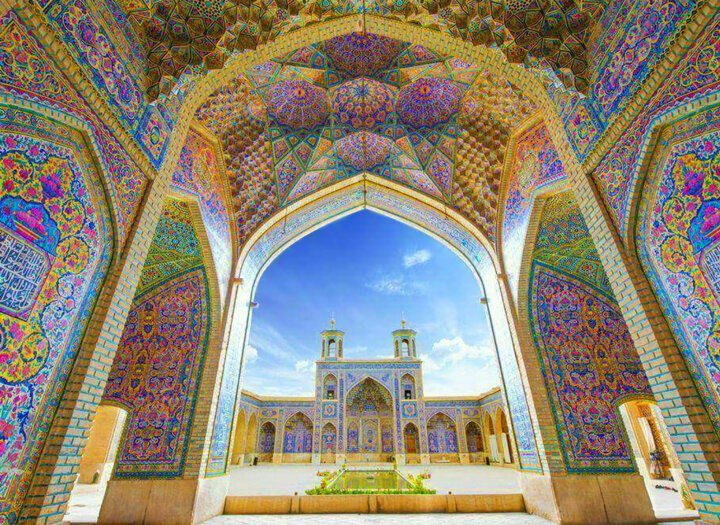
Iran’s architectural heritage of mosques has considerable potential, Izadi said, citing the country’s diversity of mosque architecture, decorative traditions and architectural forms.
Historic Iranian houses are another potential area for future World Heritage nominations, he added. Their architecture has developed in close relationship with climate, culture and local ways of life, resulting in significant regional variations across the country.
Izadi said other sites, including Kalat-e Naderi, could potentially be considered for future nomination based on expert studies. However, he stressed that any new proposal must first go through the formal process of correspondence with UNESCO and, if accepted, be added to the Tentative List before the nomination dossier can be prepared.
AM
Leave a Comment